









TECO Energy’s award-winning move-in transformation

Behind every service request is a life moment: a college student unlocking their first apartment, a family turning the key to a new home, or a customer finding their footing after life takes an unexpected turn.

TECO Energy understood that these moments carry real weight. They’re emotional, time-sensitive, and deeply personal. When people count on you to power their homes and their hopes, reliability isn’t optional. It’s a promise.

As one of Florida’s largest regulated utilities, serving over 800,000 customers across a rapidly growing region, the company recognized that its legacy move-in process wasn’t keeping pace with modern customer expectations and knew  it was time to evolve.

The challenge: Hidden bottlenecks behind the scenes

For years, the move-in experience relied on a manual, form-based system. Submissions were routed through RPA bots and manually reviewed across departments. It worked, but it wasn’t working well enough.

As customer volume grew, the cracks began to show:

  • Escalations stalling in inboxes with no visibility
  • Fraud checks and billing verifications siloed across teams
  • Supervisors piecing together updates from scattered sources
  • Customers waiting without clarity or confidence

What should have been a moment of excitement, moving into a new home,  sometimes became a point of frustration for customers. And that wasn’t a true reflection of TECO Energy.

Together, TECO Energy and avertra saw an opportunity not just to fix a process, but to reimagine the entire experience, for customers and employees alike.

The vision: Reimagining the future of service

Recognizing the need for change, TECO Energy partnered with avertra to modernize one of the most important journeys in a customer’s lifecycle: starting or transferring service.

The mission was simple: bring transparency, automation, and humanity to a process that touches thousands of lives every month.

Through this partnership, MiMove was introduced: a fully automated, dual-channel move-in transformation powered by avertra’s MiCustomer Digital Experience Platform (DXP). Through one shared platform, one foundation of logic, and one unified view of progress, it connected both customers and employees, reshaping how simplicity, speed, and trust were delivered at scale.

The approach: Transforming without disrupting

Transformation isn’t about tearing everything down. It’s about building smarter on what’s already there. As Bashir Bseirani, avertra’s CEO/CTO, put it:
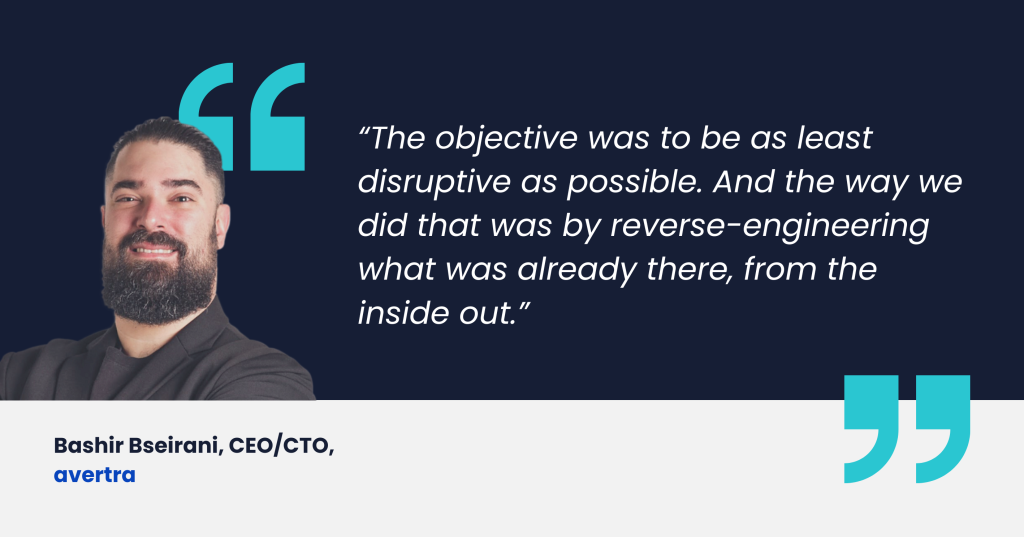
That meant stepping directly into TECO Energy’s world. Rather than relying on assumptions, every decision was grounded in lived reality by:

  • Studying the same training guides our call center agents use.
  • Observing real customer interactions to identify friction points.
  • Mapping cross-department workflows, from billing to fraud prevention to escalation management.

This grounded, hands-on approach led to a three-phase strategy:
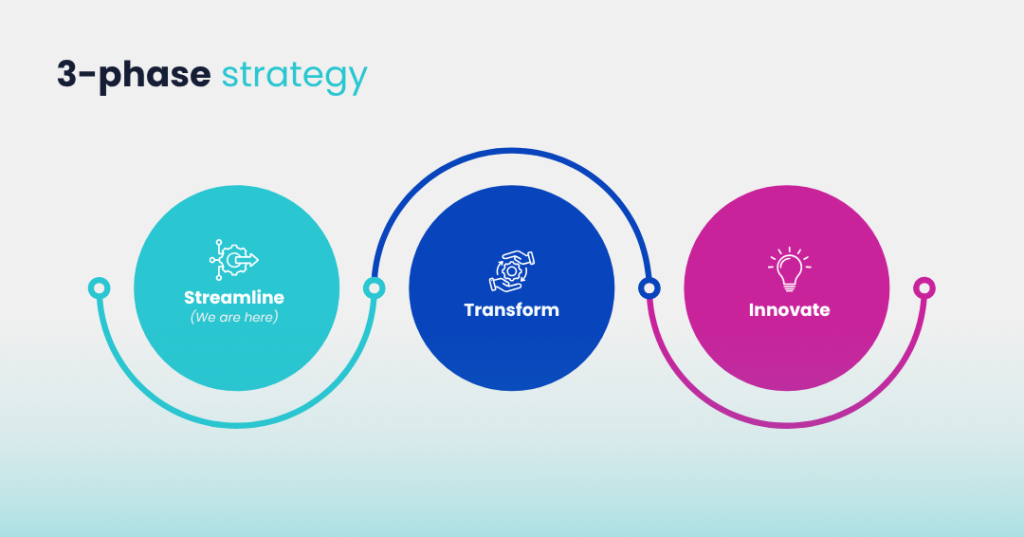
  • Streamline: Simplify and automate existing workflows.
  • Transform: Reimagine processes for transparency and connection.
  • Innovate: Build future-ready, intelligent customer experiences.

The results: Proof in the process

Born from a clear goal to simplify the customer and employee  experience, TECO Energy’s MiMove transformation has become an award-winning example of what thoughtful innovation can achieve.  Recognized with Chartwell’s Gold Award for Excellence in Digital Experience in 2025, MiMove stands as proof that meaningful transformation happens when technology, empathy, and collaboration come together.
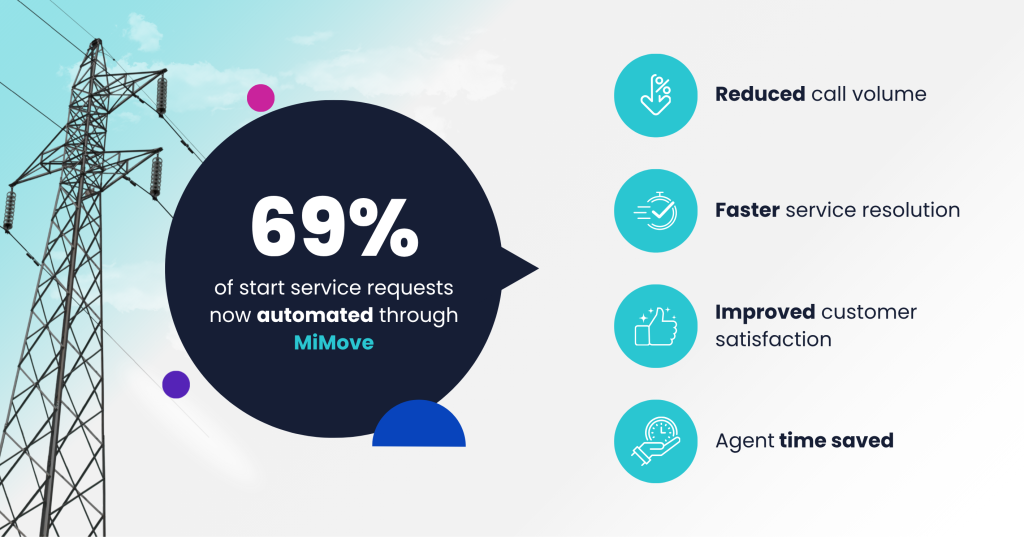
Within months of the launch, MiMove transformed how TECO Energy serves customers and teams work behind the scenes: 

  • 69% of start service requests are now fully automated.
  • Call volumes tied to move-in requests have dropped significantly.
  • Escalations are resolved faster, with clear ownership and traceability.
  • Customer satisfaction and J.D. Power scores have both strengthened.

What was once a slow, manual process is now a connected, real-time experience that’s faster, more transparent, and easier to manage at scale. For employees, it means fewer touchpoints and complete visibility across departments. For customers, it means shorter wait times, smoother starts, and service they can count on when it matters most. 
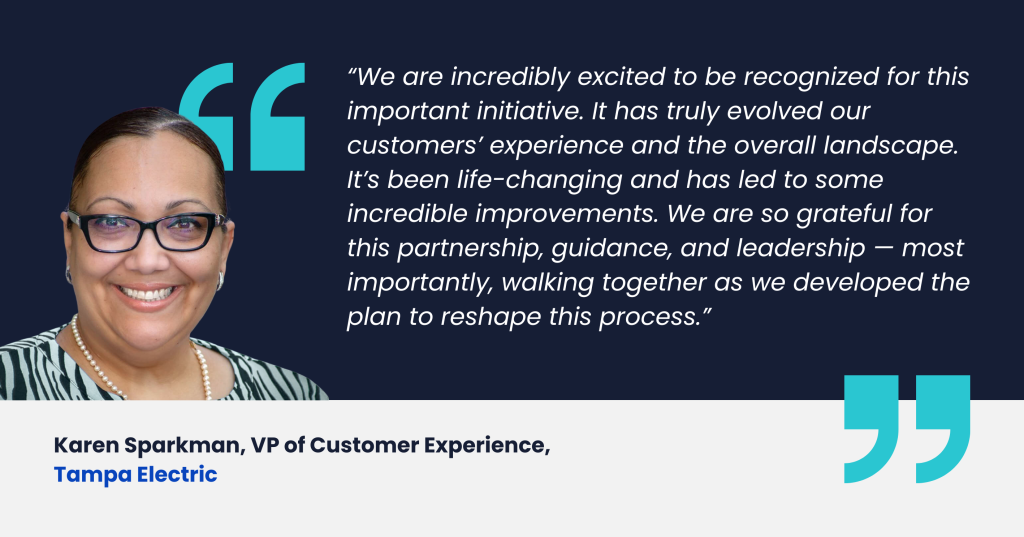
At the heart of this achievement are the people who made it happen:  those who listened, learned, and led with empathy. Every service request represents more than just a transaction. Each is a life moment that deserves clarity, care, and connection.

The road ahead: Moving from streamline to transform

True transformation isn’t a one-time project, but a journey. With MiMove now setting a new standard, TECO Energy and avertra are entering the next phase: Transform. This next chapter focuses on expanding automation, deepening personalization, and creating more intuitive, human-centered experiences for both customers and employees.

TECO Energy’s move-in transformation proves that when the right technology is combined with  empathy and purpose, you don’t just modernize a utility, you humanize it. By empowering teams and leading with care, transformation becomes something greater: a force that enriches lives.

That’s the power of thoughtful transformation.

That’s the future of energy service.

And that’s how life’s most meaningful moments continue to be powered –  together.
Southwest Gas Achieves Back Office Excellence through Exception Automation

For over 20 years, Southwest Gas had relied on a legacy system to manage critical operations that had served its purpose but was no longer capable of meeting the demands of growing customer needs and an evolving industry. Recognizing the need for progress, the utility made the bold decision to transition to a modern CIS, a significant step forward that came with potential risks.

Such a major transition was likely to create pressure points, especially in the back-office. A surge in billing exceptions could overwhelm employees, disrupt workflows, and lead to inefficiencies, billing errors, and a loss of customer trust. Frustrated customers flooding the front-office with calls would stretch resources and add to the strain, creating a high-stakes situation Southwest Gas needed to avoid.

In search of a partner that would not only mitigate these risks but also truly enhance Southwest Gas’ operations, Avertra’s MiCustomer digital experience platform (DXP) became the centerpiece of this transformation. With a strong focus on back-office automation and excellence, it combined intelligent tools and an intuitive design that empowered efficiency and streamlined exception management, enabling employees to prioritize more meaningful work.

Within 6 months, an in-depth exploration of Southwest Gas’s processes and unique challenges was conducted and the implementation fully completed, setting the stage for impactful changes across multiple areas of the utility.

Streamlined Exception Management

One of the most immediate transformations was in exception management, where automating repetitive processes reduced manual workloads and gave employees the opportunity to focus on higher-value work.

Over the past 3 years, Southwest Gas has truly simplified life for employees and dramatically improved operations, achieving:

  • +4.4 million automatically resolved exceptions
  • 87.7% of all exceptions fully addressed without manual intervention
  • ~3.5K exceptions resolved daily
  • ~26.4K employee hours saved per month

In addition to experiencing a significant shift in how the back-office functioned, these results sparked positive impacts across the organization as:

  • Billing accuracy improved, reducing errors and minimizing delays in financial processes.
  • Customer satisfaction increased as exceptions were resolved faster and disruptions were minimized.
  • Call volumes to the front office decreased, easing the burden on customer-facing teams.

Proactive Problem-Solving

Beyond exception management, Southwest Gas worked to bring greater clarity to their operations. Identifying bottlenecks across complex processes was a constant challenge, leaving employees to navigate inefficiencies without clear direction.

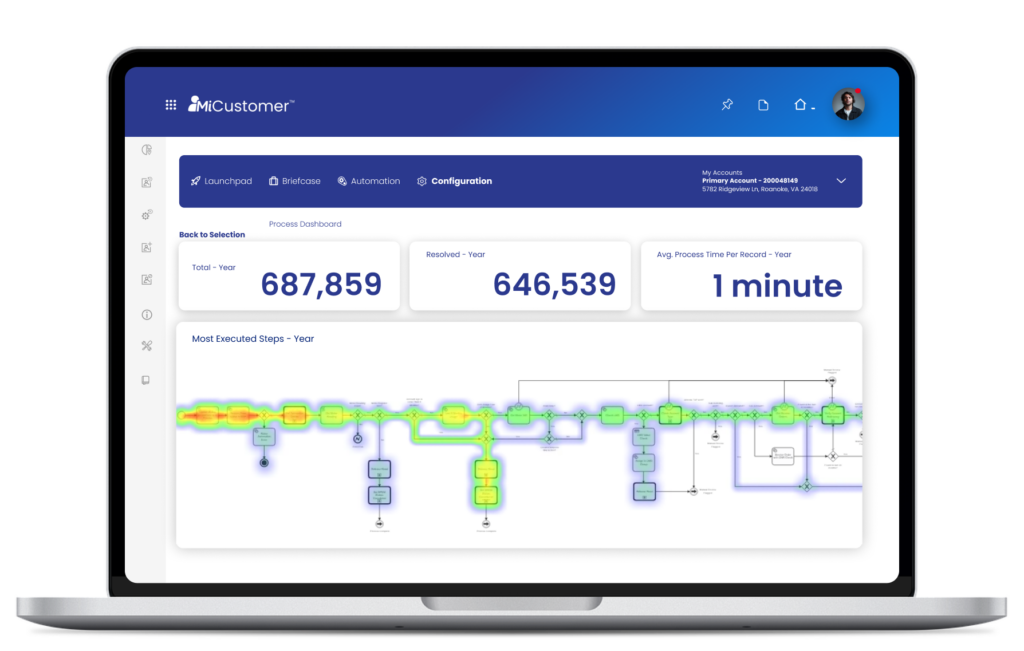
By leveraging advanced analytics and heatmaps, teams gained the ability to see exactly where issues were occurring and understand the reasons behind them. What was once a time-consuming and uncertain process became a targeted approach, enabling employees to address root causes quickly and resolve challenges before they could escalate.

Simplified Onboarding & Learning

Understanding that a great customer experience starts with an even better employee experience, Southwest Gas focused on simplifying how their teams learned and adapted to new processes.

Through intelligent guided procedures, employees were able to build confidence in their roles, especially in cases requiring manual intervention or their unique expertise. By reducing the challenges of adapting to new workflows, employees were empowered to contribute more effectively, creating a more engaged and motivated workforce.

Optimized Workflow Transparency

Having a centralized view of team workflows played an essential role in improving both employee performance and decision-making. Through intuitive dashboards, teams could easily see previous case histories, understand who worked on specific tasks, and quickly dig into details when deeper insights were needed. Ultimately, this transparency allowed supervisors to step in with timely support to improve processes and develop a stronger, more collaborative environment.

Looking Ahead

Investing in the back office has enabled Southwest Gas to drive impactful changes that touch every part of the utility, reflecting the power of looking inward to create lasting impact for employee and customer experiences, all while strengthening operational resilience and delivering long-term value.

Building on this success, Southwest Gas and Avertra are committed to strategically expanding automation capabilities, targeting a 95% success rate in automatic resolutions. With this vision in mind, the goal will continue to center around driving operational excellence, and delivering excellent customer experiences.

Navigating Crisis With the Power of a Resilient Outage Map

Over the past few months, Florida has endured some of its hardest days, as Hurricanes Helene and Milton tore through communities, leaving homes battered, power lines down, and countless lives turned upside down. In times like these, resilience is found in knowing there’s a trusted partner by your side. Tampa Electric understood exactly what was at stake, taking proactive measures to support their community when it mattered the most.

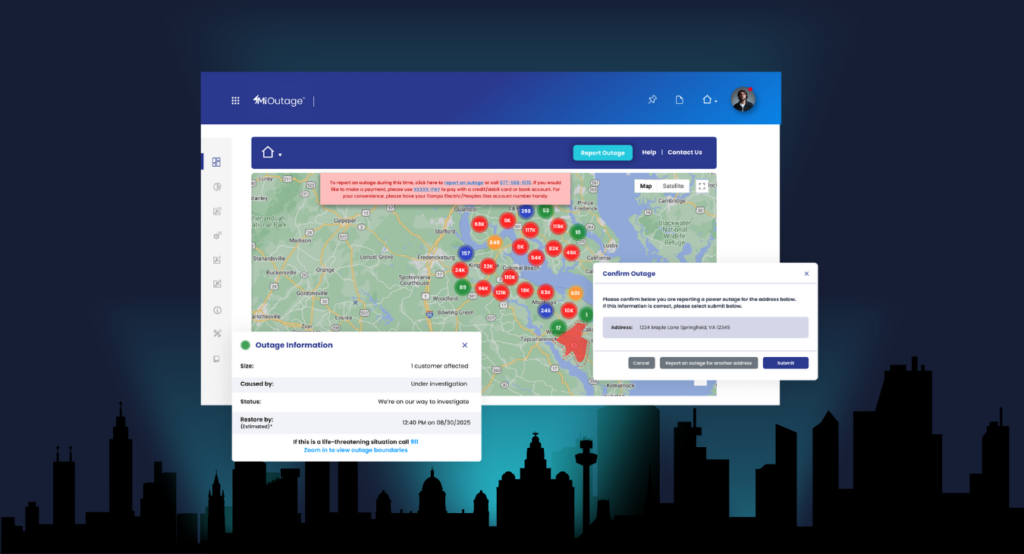
Through a long-standing partnership with Avertra, Tampa Electric has leveraged the power of the MiCustomer Digital Experience Platform (DXP) to deliver a resilient outage map, capable of supporting over 94,000 concurrent users. Built around three pillars of support—Clarity, Connection, and Comfort, this map quickly became a essential resource for Floridians as they navigated a challenging storm season.

Clarity in the chaos

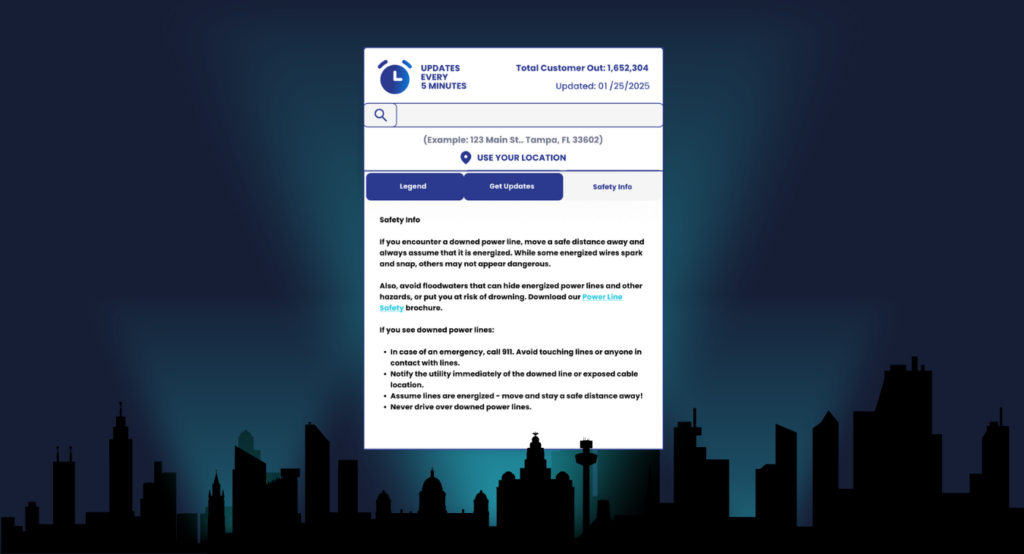
In the heart of crisis, looking for answers becomes a lifeline, where every bit of information offers a glimmer of hope and helps light the way forward. For Floridians, the outage map provided a reliable guide through the unknown by providing live updates every five minutes and delivering real-time details on outage status and affected areas. These much-needed answers enabled individuals to monitor what was happening in their neighborhoods and gain a clearer picture of the conditions they might be facing, whether a minor outage or something more severe.

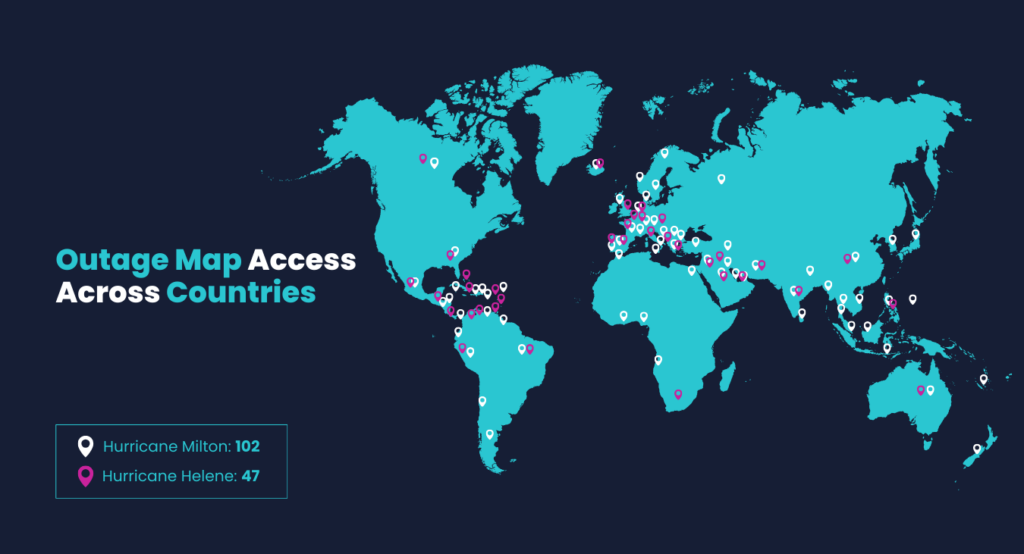
For those who had to evacuate, restoration timelines became a source of comfort, giving them a sense of progress. During Hurricane Milton, countless individuals across 102 countries accessed the outage map, checking in on their neighborhoods and loved ones to assess when it might be safe to return home. Similarly, during Hurricane Helene, individuals were checking the map from a total of 47 different countries.

Connection that resonates

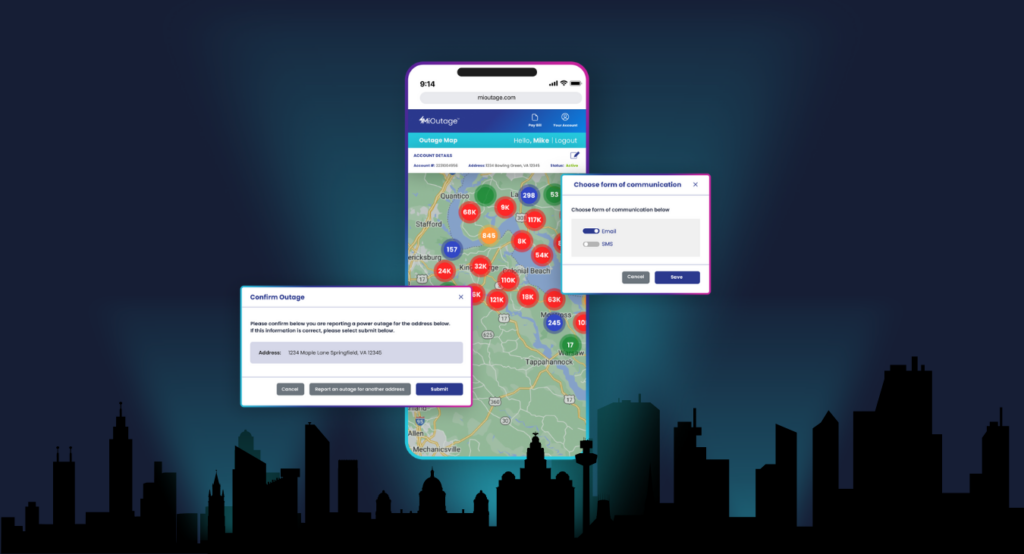
When everything else felt beyond reach, having the power to choose how to stay connected made all the difference and provided a sense of control that many were longing for. For some, a text message provided quick reassurance, while others preferred email updates that felt familiar and accessible. This simple but thoughtful choice provided a way for those affected to access information in the way that worked best for them, offering comfort in the most difficult moments.

Comfort when it mattered most

For many newcomers to Florida, unaccustomed to the realities of hurricane season, this experience brought a level of uncertainty and fear that made reliable guidance essential. Access to clear shelter locations and practical safety tips helped residents navigate these challenges with a sense of preparedness, offering immediate paths to safety and the knowledge needed to protect themselves and their loved ones.

Relieving the pressure on the frontlines

Serving as more than just a resource for the community, the outage map brought much-needed relief to Tampa Electric’s frontlines, easing the pressure on its people during high-stress times. By empowering customers to self-serve, it became possible to significantly reduce the number of incoming calls, lower wait times, and allow employees to shift focus resolving complex issues.

A global effort behind the scenes

The success of the outage map in supporting citizens during both storms showcases the incredible dedication and shared commitment of both Tampa Electric and the Avertra team. This joint effort to serve the community was evident as both teams collaborated closely to create a resource that truly mattered during such challenging times.

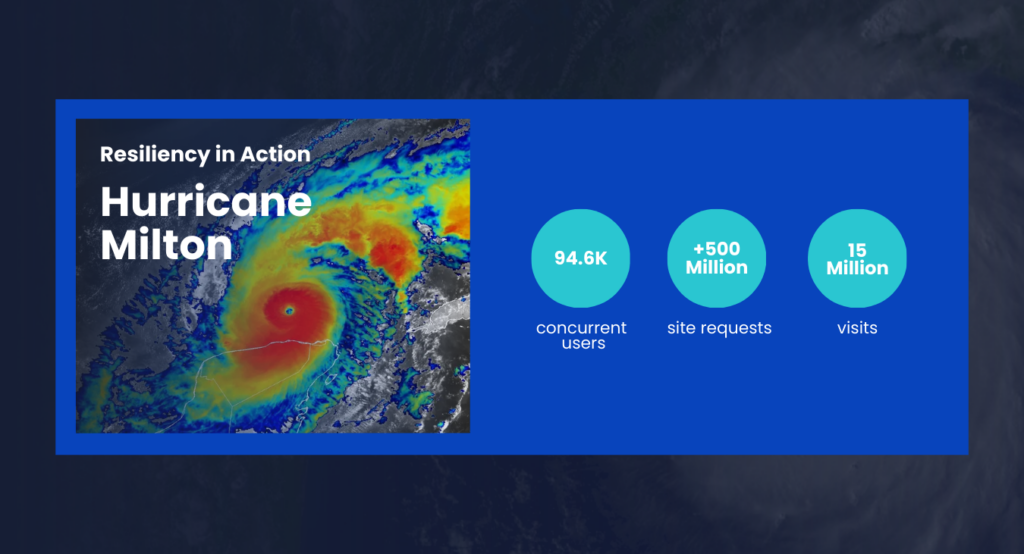
During Hurricane Milton, the outage map demonstrated its capacity to handle immense demand, supporting 94.6K concurrent users, processing over 500 million site requests and recording an astounding 15 million visits. Its ability to scale during such a critical time ensured that people could stay connected and informed, no matter how widespread the storm’s impact.

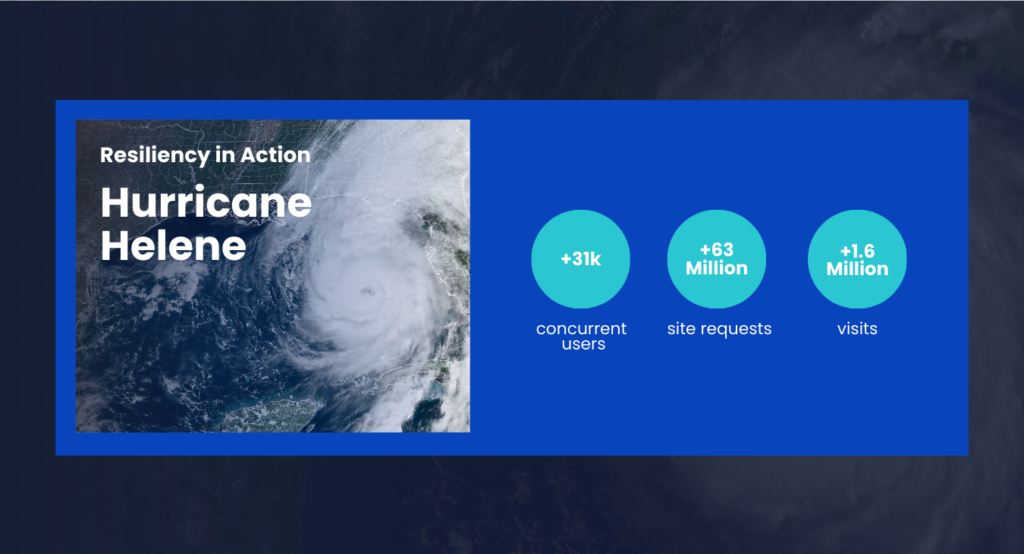
Similarly, during Hurricane Helene, the outage map proved its reliability through providing support to over 31K concurrent users, processing over 63 million site requests, and facilitating over 1.6 million visits. More than just numbers, these metrics tell a story of resilience and connection, representing the countless individuals seeking reassurance.

Over the course of both storms, a total of 1,078 engineering hours were invested, resulting in 8 releases, the introduction of 6 new features, and 4 enhancements, reinforcing the map’s ability to adapt under pressure and deliver reliable support.

Commitment that lasts beyond the storm

Through this collaboration, it became possible to build more than just a response to the storm, creating a foundation of trust and reassurance that citizens could rely on. As Florida continues to recover, this partnership will simultaneously continue to evolve, with both teams dedicated to enhancing the outage map to empower the community and ensure preparedness for whatever lies ahead.

Beyond the Front Lines: Investing in Back Office for Utility Success

In the bustling world of utilities, the spotlight often shines on customer-facing roles. However, behind every thriving utility company is a back office quietly powering innovation and growth– for those who invest in it that is.

 It’s time to zoom in on this critical area and understand how investing in a strategic back office transformation can revolutionize your entire organization.

The Hidden Powerhouse: Why the Back Office Matters

Think of the back office as the backbone of any utility company. It quietly handles all the behind-the-scenes tasks, from billing to maintaining systems, that keep the company running smoothly. If we neglect this vital area, small issues can snowball, affecting the entire organization. As the saying goes, “what goes around comes around,” and this is especially true in the back office. 

Many believe that focusing on the front office alone is the cure-all for organizational issues, but ignoring the back office can lead to disruptions that ripple through every part of the business, ultimately hurting the customer experience. While the back office might not interact directly with customers, its impact is significant.

“60% of sources of customer dissatisfaction originate in the back office functions.”

Let’s take a quick look-see at some of the main back office struggles that tend to translate into even bigger ones for utilities, and how to overcome them:

1. The Grind of Repetitive Tasks

If there’s one certainty, it’s that no employee wants their day consumed by monotonous, manual tasks. While this may not seem pressing to some, it’s this burnout where errors start to creep in—errors that do not go unnoticed by customers. Just like that, you’re now looking at a higher volume of customer calls, putting additional pressure on the front office and leading to longer wait times, increased frustration, and additional costs. Your employees are unhappy, your customers are unhappy, it’s a lose-lose situation no matter which way you look at it. 

On average, employees spend 10-25% of their time on repetitive tasks that can be automated. Aside from being a drain on productivity, it’s also a costly inefficiency. For example, processing invoices manually can cost companies between $5-$25 per invoice, representing a significant expense.

So why not take the robot out of the human? By allowing automation to step in and carry that load of manual exceptions, back office employees are able to do what they do best—think, analyze, and focus on more value-driven and meaningful work. It not only addresses the issue of costly inefficiencies but also significantly boosts productivity. In fact, it was revealed that 79% of employees name increased productivity as one of the main benefits of using automation.

Overall, with 85% of companies reporting greater speed, accuracy, and volume handling as a result of automation, it’s safe to say that it can take your lose-lose situation and transform it into a win all around, for both your utility and employees .

2. The Hidden Troubles of Ineffective Training

There’s a big focus on simplifying the customer experience (and rightfully so), but it’s important to remember that the foundation of it lies in providing an even better employee experience, especially for newcomers. Starting a new job is nerve-wracking enough, but when the software involved feels like it requires a Ph.D. to operate, it creates a steep learning curve. In turn, this leads to an inability to effectively train employees, meaning that your team is always a step behind, trying to cope with day-to-day tasks rather than focusing on strategic improvements and customer enhancements.

Start nurturing learning journeys and invest in intuitive, self-paced training programs supported by intelligent guided procedures.  A survey has shown that 58% of employees prefer self-paced training, which allows them to master their roles confidently at their own speed​. In doing so,  you simultaneously improve operational efficiency, boost morale and the experience for your customers, creating a cycle of success.

3. Bottlenecks that Cook Up Chaos

The back office department can be similar to a busy kitchen, everyone’s trying to cook but keeps bumping into each other because there’s not enough space. It’s here, in the cramped quarters of routine tasks and outdated systems, that bottlenecks form quietly. Being so much more than minor annoyances, they’re the silent chaos that slow down everything from processing applications to updating customer records. When the back office can’t keep up, it’s not just the paperwork that suffers, customers start feeling the delays, turning what should be a smooth process into a drag for everyone involved.

It’s time to rethink that kitchen.  Instead of having everyone crowding around and creating chaos, streamline the setup. Advanced analytics can identify exactly where the bottlenecks are and suggest the best ways to clear them. Research has shown that removing bottlenecks not only improves workflow efficiency but also boosts productivity, leading to a 30% increase in overall efficiency​. This means creating more space for your team to work efficiently and enabling faster decision-making.

4. Supervision in the Dark

Understanding how hectic unsupported back office departments can be, imagine trying to manage one. It’s no surprise that supervisors find themselves constantly feeling like they’re flying blind and putting out fires rather than preventing them without a clear overview of team performance and proper task management. The consequences? Inefficiencies, miscommunications, and missed opportunities for improvement. 

Light up the dashboard and provide supervisors with a holistic view of their team’s strengths, weaknesses and progress. This kind of transparency is a game-changer, with companies reporting up to 15% time savings per week. When supervisors have real-time data and a comprehensive overview at their fingertips, they can shift from reactive firefighting to proactive strategizing through clear, actionable insights. Just like that, teams become more accountable, communication improves, and supervisors are able to make informed decisions that drive performance through the roof. It’s like having a bird’s-eye view of the entire operation.

After all, to empower their teams, supervisors must first be empowered themselves.

Back Office, Big Impact: Transforming Utilities from the Core

At the end of the day, it’s clear that the backbone of any utility isn’t just the people we see but also the ones we don’t. The back office holds one of the keys to driving excellence, yet their challenges often remain unseen. However, with the right effort to turn vulnerabilities into strengths, it becomes possible to ignite a cycle of positive change across the entire utility landscape.

Investing in the back office isn’t just about improving internal processes; it’s about creating a ripple effect of benefits. Enhanced back office operations lead to faster service delivery, fewer errors, and higher customer satisfaction. Employees experience reduced stress and greater job fulfillment, fostering a motivated and productive workforce.

For customers, this means quicker resolutions and a smoother experience. For employees, it means a supportive work environment with the tools they need to excel. And for the community, it means a utility that operates efficiently and effectively, contributing to a brighter, more reliable future.

It Starts with You.

Change begins with a decision to act. By focusing on key process improvements, you’re setting the stage for significant operational gains and driving excellence from the core. And in doing so, you ensure a better future for your customers, employees, and the communities you serve.

Ready to be a part of the change? Take the first step and check out MiCustomer DXP and explore a robust back office strategy that ensures your key contributors have the tools they need to thrive.

Hold Please, Utilities Caught in the Tangle of Yesterday

It’s not a shortage of ambition holding back the utility world, but the missing tools and old-school ways disabling it from moving forward.

For too long, the industry has been caught in a web of outdated practices, whether it’s line extensions, solar installations, or other utility projects. Why, you may ask? Well, it’s largely due to the lack of a comprehensive builder portal. And so, utilities find themselves in an entanglement representing a cycle of frustration and lost opportunities.

Let’s take a look at the key players and the challenges they directly encounter.

Stuck in the Past

Imagine trying to text on a flip phone in a smartphone world — it’s quite similar to how some utilities are managing their projects. Despite efforts to utilize existing resources, the lack of a builder portal frequently leads utilities into a state of chaos affecting both employees and customers. This situation creates challenges in daily operations and customer interactions, significantly impacting the utility’s overall efficiency and growth.

The Daily Grind: A Story of Disarray and Delays

Outdated utility practices are more than just inconveniences – they’re roadblocks to progress for everyone involved.

Home Makeovers: Not All Smooth Sailing

Take homeowners who are expanding their homes for instance, they’re buzzing with excitement at the thought of their upgraded living space. However, they can’t relish it until the required line extension work is completed by the utility. And so, they find themselves constantly on the phone with the utility company, seeking updates. They want a smooth process where information comes to them, not one where they have to chase it down. After all, nobody likes being kept out of the loop, especially when it comes to something as personal and significant as their home.

Builders, meanwhile, are on the frontlines, turning visions of new homes into real, tangible structures. Surprise surprise… They also run into several roadblocks: They’re swamped with the task of delivering heaps of paperwork to utilities just to get started. But the real challenge? The hours spent on the phone, inquiring about updates on inspections and approvals. It’s a time-consuming dance that keeps them away from the construction site, where their real work and passion lie. How much simpler it would be with a way to streamline these processes — a digital solution where they could upload files, receive automatic updates, and manage projects efficiently.

The Workforce Struggle: More Than Meets the Eye

Utility employees aren’t any different. CSR agents spend their days juggling call after call from frustrated customers. Remember that homeowner seeking updates we just talked about? There’s about another 100 of them, all dialing CSR agents, all looking for answers. This means CSRs hardly get a chance to dive into work that really makes a difference.

Key Account Managers, constantly zigzagging between last-minute changes and urgent calls from builders. They’re swamped, when they could be spending time building real, lasting relationships.

And let’s not forget about the Project Managers who can’t seem to catch a break. Between the mountain of paperwork, endless spreadsheet updates, and constant email chains, they’re left wondering if there’s a clearer, more organized way to keep everything on track.

Each of these roles, integral to the utility’s success, is caught in a cycle of inefficiency that begs for a better way.

Utilities Caught in the Thick of It All

The web of inefficiency isn’t just about customers and employees — it’s putting utility companies themselves in a tough spot. Imagine a tap that only drips when it should be flowing. That’s the scenario utilities are facing by sticking to manual processes.

  • Revenue Roadblocks: When projects are bogged down by manual processes, it delays the completion of projects. Since they’re major sources of revenue, these delays mean the utilities wait longer to receive payments, directly affecting their cash flow.
  • Increased Errors: Sticking with old-fashioned methods often leads to more errors. This means more time and resources spent in resolving disputes and correcting mistakes, which not only prolongs payments but also adds layers of complexity to daily operations.
  • Reputation Risk: Sluggish and inefficient processes directly impact customer experience. Without modern, customer-friendly systems, utilities risk damaging their reputation and lowering J.D. Power scores.

A Digital Makeover for Utilities

It’s pretty clear what the utility world needs right now: a digital leap. A way to tap into all the hours lost to inefficiency and turn them into progress. Don’t think of it as just adding another layer of tech; think of it as simplifying, streamlining, and bringing a much-needed breath of fresh air for everyone involved.

And if you’re wondering how to do this, well…

All Digital, All Simplified: MiCustomer DXP

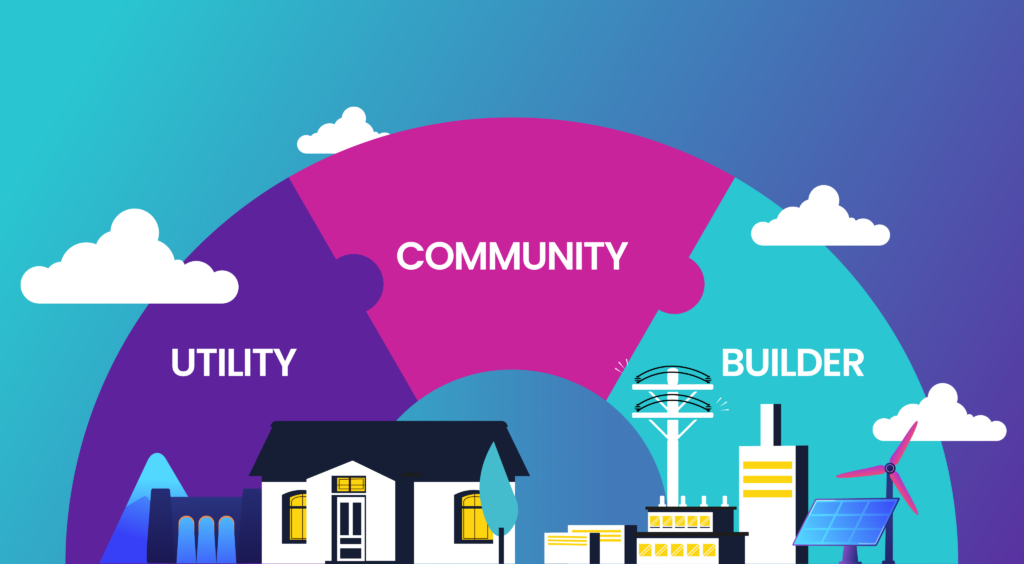
MiCustomer DXP steps in as this much-needed solution. A comprehensive platform designed to address specific challenges and bridge the gap between communities, utilities, and builders.

Here’s a small glimpse into what it can offer:

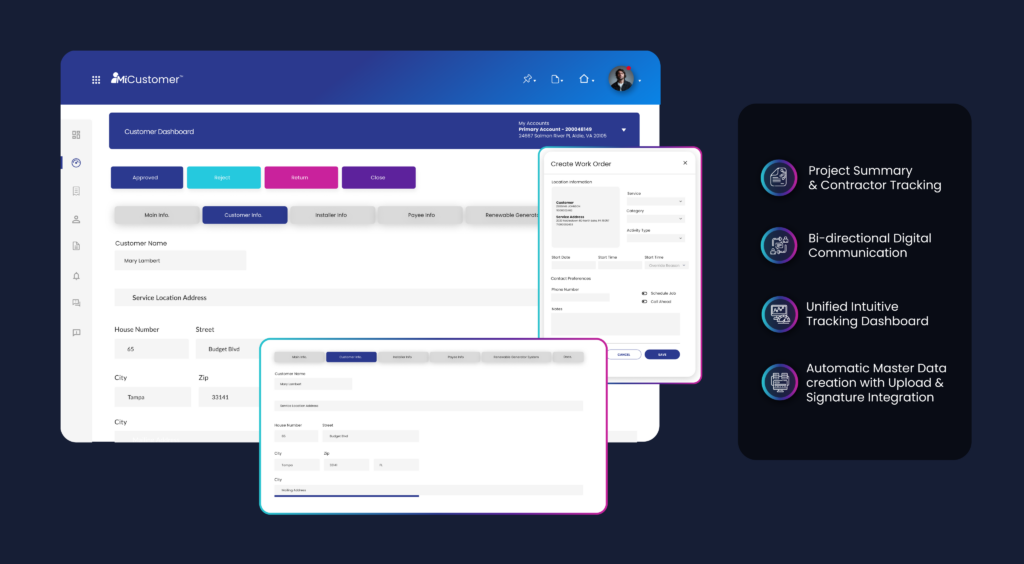
  • Clear Bi-directional Communication: Keeps everyone – utilities, builders, customers – in the loop with easy updates and a way to chat back and forth.
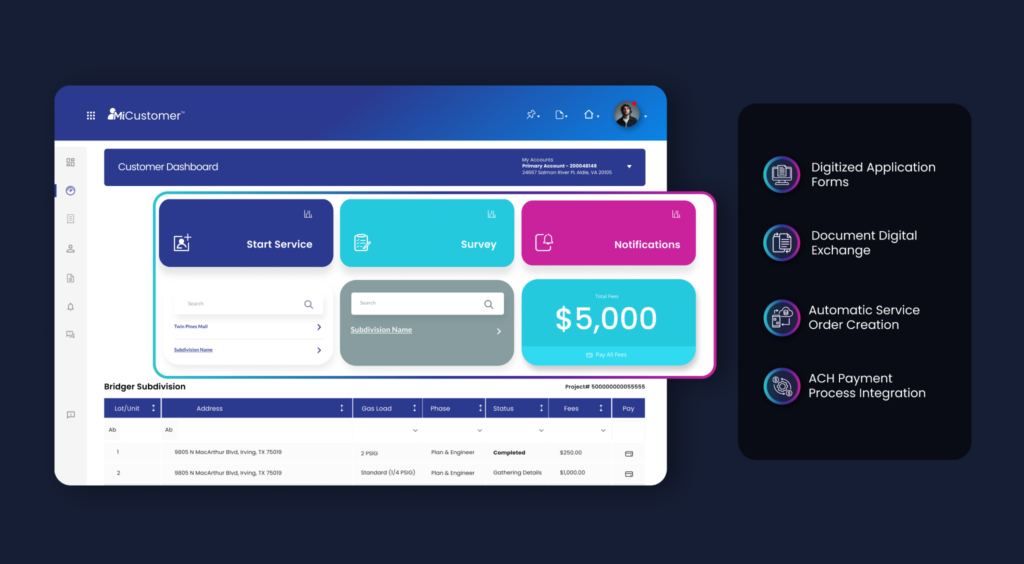
  • Paperless Document Handling: Transforms document management into a smooth, paperless experience, streamlining operations and supporting environmental sustainability.
  • Smooth Financial Transactions: Streamlines and speeds up payments, particularly for large-scale transactions, using ACH systems to cut down on administrative delays and boost project progress.
  • Comprehensive Project Lifecycle Management: From the initial application to the final inspection, ensures every phase of a project is meticulously managed.

In short, what MiCustomer DXP brings to the table is connection.

This is an opportunity for utilities to really connect – with the families counting on them, and the builders turning blueprints into homes. A shift that’s about building a community spirit, about understanding and supporting each other better. It’s a move that promises to turn every neighborhood into a place where everyone, from the utility worker to the homeowner, feels more connected, more involved, and more in tune with each other’s needs.

Lighting the Way: Managing Outages & Building Trust

Storms, outages, and emergencies – these aren’t just operational challenges for utility companies; they’re pivotal moments where customer trust is tested and solidified. In these critical times, utility companies are not just service providers; they become lifelines, an essential source of stability and reassurance. But the question remains: Is your utility equipping itself with the right outage management strategy to fulfill this crucial role for customers?

The Broad Scope of Emergencies and Their Impact on Customers

Emergencies come in various forms – from natural disasters like hurricanes and blizzards to more mundane yet disruptive power outages. Regardless of their nature, these events can be deeply unsettling. They bring on more than just physical disruptions; they deeply impact the lives and well-being of countless individuals. Beyond the immediate risks and dangers, these scenarios reveal a wide range of challenges for customers. In turn, this significantly amplifies their distress in numerous ways:

  • Communication Disruptions: Crucial for relaying concerns and receiving guidance, the breakdown in communication with utility services heightens distress and disrupts essential information exchange. This gap leaves customers feeling isolated and uninformed, increasing their vulnerability during critical service interruptions.
  • Health and Safety Risks: Critical medical equipment ceases to function, refrigerators halt, jeopardizing medication and food storage. Lack of heating or cooling systems poses severe risks, particularly for the elderly or those with chronic health conditions.
  • Financial Strain: For businesses, especially small local operations, outages can spell financial disaster with lost revenue, spoiled stock, and halted operations. Households face unexpected expenses from property damages or the need to find alternative accommodations.
  • Disrupted Daily Life: Ordinary tasks suddenly seem daunting. Meals are difficult to prepare, water scarcity impacts hygiene, and mobility gets restricted, collectively heightening the feeling of helplessness.

In the wake of a disaster, be it a power failure or a natural catastrophe, customers seek more than restoration; they seek reassurance.

Here lies the problem: traditional outage management systems often buckle under pressure, providing delayed, inaccurate, or overly technical information. This lack of effective communication and support can lead to frustrated customers, damaged reputations, and even legal consequences.

A Vision of Resilience and Empathy

So what if there was a way to turn these crisis points into moments of trust and reassurance? An outage management approach that not only informs but also comforts, guides, and empowers customers during their time of need.

This isn’t just about managing outages; it’s about managing customer relationships. For utilities, this extends beyond technical solutions to addressing both the emotional and practical needs of the community. It’s about restoring not just the service, whether it’s power, water, or other essentials, but also calming the anxious minds waiting for normalcy to return. We’re talking about a comprehensive restoration.

When determining the most effective outage management strategy, it’s crucial to ensure it can provide the following:

  • Effective Communication: Timely updates and actionable insights can go a long way in building trust and connection. They envelop customers in a sense of being valued and secure, crucial during times of uncertainty.
  • Resourceful Compassion: Essential data and practical resources like hotel discounts and shelter locations, made readily available to the team, ensuring timely support and tangible aid for affected customers.
  • Clear, Caring Oversight: Offering an interactive outage map for immediate status updates, coupled with an easy reporting process, reassures every customer that their concerns are acknowledged and addressed promptly.
  • Scalable Resilience: The capacity to accommodate surging user demands during crisis events. This stability is essential not just for uninterrupted business operations but also for maintaining customer confidence and trust as your service area expands and faces difficult times.

Discovering the Solution in MiCustomer

So we’ve explored the key facets of an effective outage management strategy. Now, you might be wondering where such an approach can be actualized.

Empathy-driven and innovative, MiCustomer DXP redefines outage management. It aims not only at quick service restoration but also at offering peace of mind during times of crisis. Focusing on more than just the technical aspects, the platform ensures a supportive and understanding response to every individual’s needs.

Let’s look at how these values are brought to life through some of its capabilities:

  • Robust Resilience: Demonstrating a remarkable capacity to withstand 14x more than the average legacy system’s capacity, it guarantees reliability when most needed.
  • Clear and Comprehensive Mapping: Able to manage half a million outage points within a user-friendly layout. It not only excels technically but ensures every community member is informed and at ease, maintaining transparency.
  • Rapid Response: With a reaction time that often clocks in at mere seconds, speed is just the beginning. This prompt action is part of a larger commitment to immediate comfort and reassurance.

Curious to see how this translates into real-world applications and impacts? Book a free demo and explore the in-depth capabilities of MiCustomer. Discover firsthand how your utility can ascend from being just a service to a symbol of trust.

Remember, at the heart of every outage, a question looms for utility providers: What kind of legacy do you aim to create? Will your response in these critical times be a source of reliability and empathy, or a missed opportunity to be there for your customers?